
Barefoot Shoes: An Honest Guide to Benefits, Risks, and Switching Safely
- Health & Wellness
- By James G. on
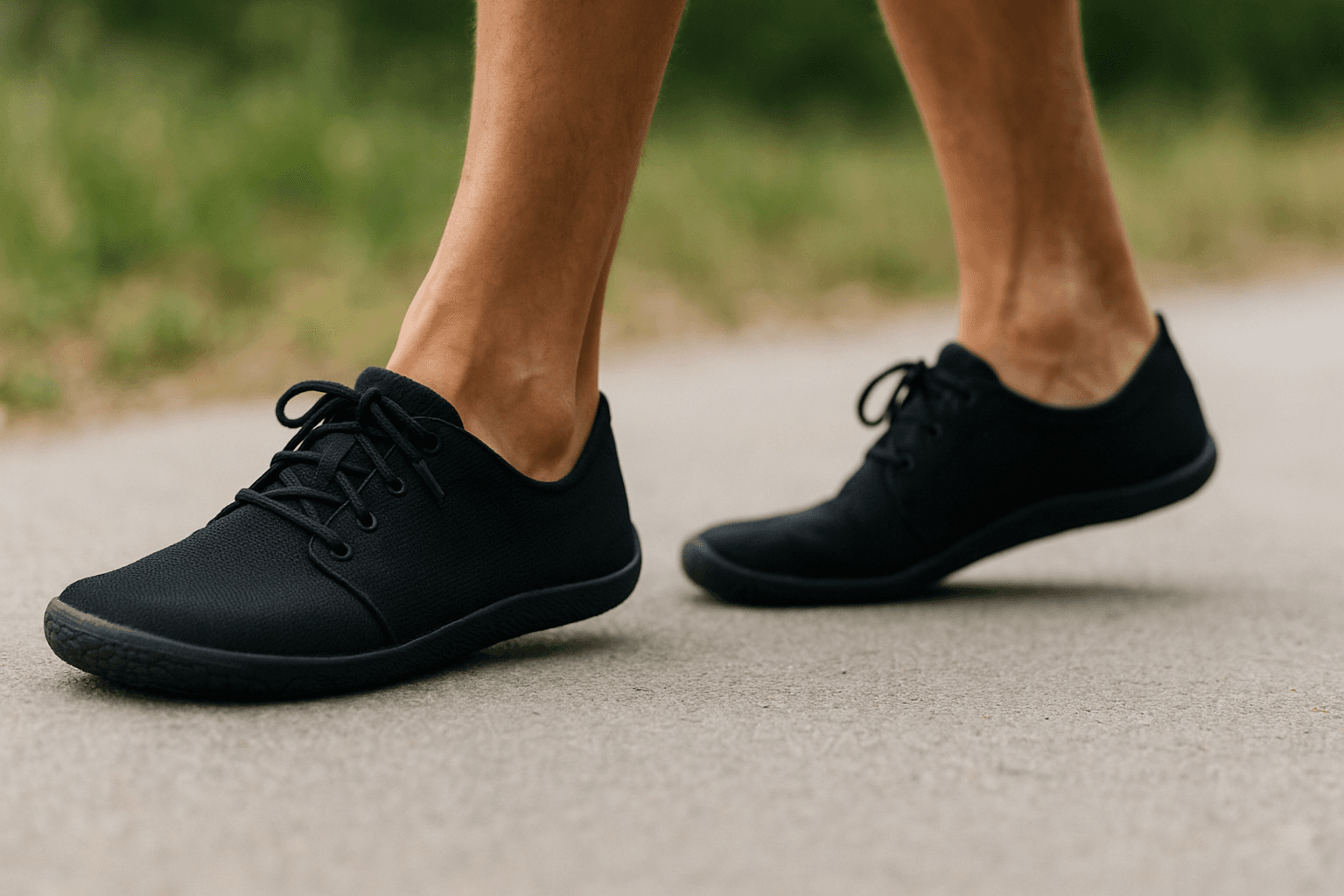
Barefoot shoes, also called minimalist shoes, have moved from niche running circles into mainstream stores. They promise a more natural way to walk and run, but the marketing often runs ahead of the evidence.
The short version: they can help some people, are unnecessary for many, and can cause injuries when adopted too quickly. Understanding what the shoes change, and what they do not, makes the decision much easier.
Most barefoot shoes share three features: a wide toe box that lets toes spread, a thin and flexible sole, and a "zero drop" design, meaning the heel sits at the same height as the forefoot. Many also have little or no arch support and minimal cushioning.
What Barefoot Shoes Actually Do
Conventional shoes typically have a raised, cushioned heel, a stiffer sole, and a tapered toe area. Barefoot shoes remove most of that structure, so the foot and lower leg muscles do more of the work of absorbing impact and stabilizing the body.
The thin sole also gives more sensory feedback from the ground. Some wearers like this because it makes them more aware of how they step. Others find it uncomfortable on hard surfaces such as concrete.
The wide toe box is a separate benefit. Toes can sit in a more natural position, which some people with bunion tendencies or crowded toes find more comfortable.
What the Research Says
Studies on barefoot and minimalist footwear show mixed results. Research such as a well-known 2010 paper in Nature found that habitually barefoot runners tended to land on the forefoot or midfoot, which produced lower impact forces at landing than typical heel striking in cushioned shoes.
That does not prove minimalist shoes prevent injury. Running injuries have many causes, including training volume, surface, strength, and prior injury. Reviews have generally not found clear proof that switching to minimalist shoes lowers overall injury rates.
What the evidence does support is that the shoes change loading. Stress may shift away from the knee and toward the foot, ankle, and calf. That shift can be useful or harmful depending on how fast it happens and how prepared the body is.
Who May Benefit and Who Should Be Cautious
People who may find barefoot shoes helpful include:
- Those with wide feet or toe crowding who struggle to find comfortable fits
- Walkers and gym-goers who want to strengthen their feet gradually
- People who prefer a lower, more stable platform for lifting or yoga
- Runners working with a coach or clinician to adjust their form
Caution is wise for others. Anyone with the following should talk to a podiatrist or physical therapist before switching:
- Diabetes or neuropathy, where reduced sensation raises the risk of unnoticed injuries
- Existing foot pain, such as plantar fasciitis, stress fractures, or Achilles problems
- Significant flat feet or other structural issues that currently respond well to supportive shoes or orthotics
- Osteoporosis or a history of bone stress injuries
Barefoot shoes also offer little protection from sharp objects, so they may be a poor fit for rough job sites or debris-filled paths.
How to Transition Safely
The most common mistake is switching all at once. Feet that have spent years in cushioned, supportive shoes need time to adapt, and tissues such as tendons and bones adapt more slowly than muscles feel like they do.
A cautious approach typically looks like this:
- Start with short wear. Use the shoes for casual walking or errands for an hour or so a day, then increase over several weeks.
- Add foot exercises. Toe spreading, calf raises, and short-foot drills can build strength gradually.
- Introduce activity slowly. Begin with brief, easy walks before trying longer hikes or runs.
- Cut running volume. If running, start with a small fraction of normal distance on smooth, forgiving surfaces and build over months, not weeks.
- Alternate shoes. Keep a regular pair for long days or hard workouts while the feet adjust.
- Listen to pain. Mild muscle fatigue is expected. Sharp, persistent, or worsening pain in the foot, shin, or heel is a signal to stop and get evaluated.
Full adaptation commonly takes several months, and some people never use them for every activity. That is fine.
What to Look for When Buying
Not every shoe marketed as minimalist is truly minimal. Features worth checking include:
- Toe box shape: Toes should spread without touching the sides.
- Flexibility: The shoe should bend and twist easily by hand.
- Sole thickness: Thinner soles give more feel; slightly thicker ones offer more protection for pavement.
- Secure fit: The heel should stay in place without much slipping.
- Return policy: Fit is personal, so a trial period is useful.
Prices vary widely by brand and type, so comparing a few options is reasonable before committing.
The Bottom Line
Barefoot shoes are a tool, not a cure. They may suit people who want roomier toe space, stronger feet, or a more minimal feel, particularly when introduced slowly. They are not a guaranteed fix for pain or injury, and they are not right for everyone.
Anyone with existing foot problems, diabetes, or nerve issues should get professional advice first. For everyone else, patience is the deciding factor: a gradual switch gives the feet time to adapt, while a rushed one is the likeliest route to setbacks.