
How to Keep Pests Out of Your Home and Yard This Winter
- Home & Garden
- By Barbara L. on
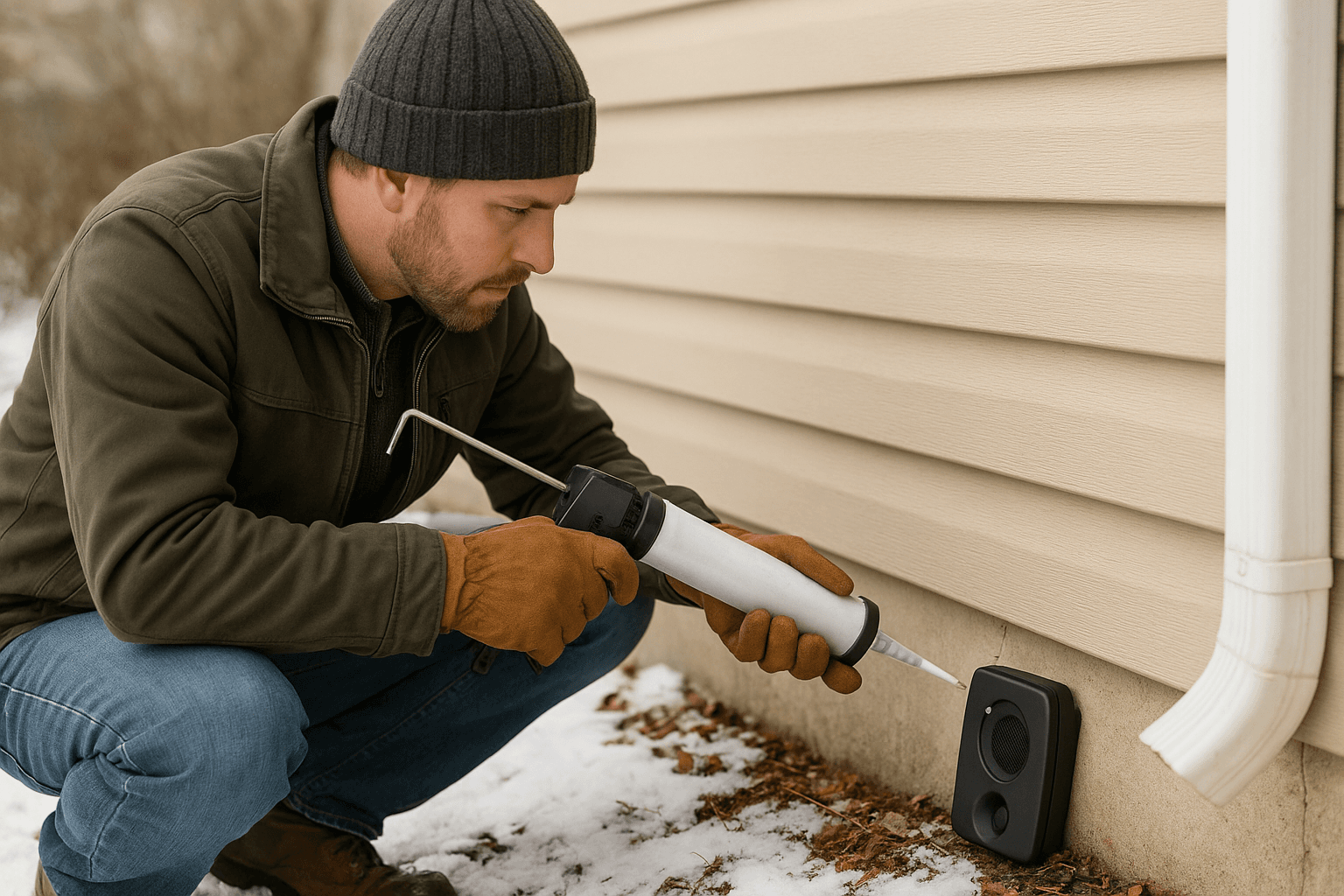
Winter does not make pests disappear. Mice, rats, and many insects look for warmth, water, and shelter once temperatures drop, and a house offers all three. Most infestations that show up in January began with a small gap or an overlooked food source in the fall.
Prevention works better than cleanup. Blocking access and removing attractants costs little compared with dealing with an established colony, and most of it can be done in a weekend with basic supplies.
This guide covers the steps that matter most for rodents and common overwintering insects, including non-chemical options. It also explains what ultrasonic repellers can and cannot be expected to do.
Why Pests Move Indoors in Winter
Rodents stay active all winter and look for nesting spots near reliable food. Attics, wall voids, garages, and crawl spaces are common targets because they are quiet and often insulated.
Insects behave differently. Cluster flies, stink bugs, boxelder bugs, and some beetles and spiders enter in autumn and settle into wall cavities or attics. They often become noticeable on warm winter days, when the heat in the walls wakes them.
Seal Entry Points First
Exclusion is the most dependable non-chemical method. University extension services commonly note that mice can squeeze through openings of roughly a quarter inch, so small gaps count.
Walk the exterior and check these spots:
- Gaps around utility lines, pipes, and gas or cable entries
- Cracks in the foundation and where siding meets the foundation
- Damaged or missing door sweeps and weatherstripping
- Dryer, attic, and crawl-space vents without intact screens
- Chimney flues without caps and soffits with loose or rotted sections
Use materials rodents cannot easily chew through. Steel wool or copper mesh packed into a gap and covered with caulk or expanding foam rated for pest exclusion works well for small holes. Larger openings call for hardware cloth or sheet metal. Plain foam or plastic alone is easily gnawed.
For insects, caulk window and door frames, repair torn screens, and seal cracks around trim. These steps also cut heating costs.
Remove Food, Water, and Shelter
Pests stay where conditions are favorable. Reducing what they can find indoors makes a home less appealing even if a few get inside.
- Store pantry items, including pet food and birdseed, in hard plastic, glass, or metal containers with tight lids.
- Clean crumbs and grease from floors, counters, and under appliances.
- Fix leaky pipes and faucets, and dry out damp basements or crawl spaces with ventilation or a dehumidifier.
- Use trash cans with tight lids and take garbage out regularly.
- Replace cardboard storage boxes in garages and basements with sealed plastic bins, since rodents use cardboard and paper as nesting material.
- Reduce clutter so there are fewer hiding places and inspections are easier.
Tidy the Yard and Exterior
What happens outside affects what ends up inside. Keep firewood stacked off the ground and well away from the house, ideally several feet, and bring in only what will be burned soon. Woodpiles are popular hiding places for rodents and insects.
Trim shrubs and tree branches so they do not touch the roof or siding, because they give rodents and ants a bridge. Clear leaf litter, brush, and debris from along the foundation. Make sure gutters drain away from the house so soil near the walls does not stay wet.
Secure compost bins and avoid leaving pet food or filled bird feeders out overnight. Spilled seed attracts rodents, and feeders can be moved farther from the house for the season.
Where Ultrasonic Repellers Fit
Ultrasonic repellers are plug-in devices that emit high-frequency sound intended to drive pests away. They appeal to people who want to avoid poisons and traps, and they are generally safe to use. The evidence for them is weak, though.
University extension programs and pest-control researchers have repeatedly found inconsistent results. Animals may react at first and then adapt, and sound does not travel well around furniture, through walls, or into insulation. Insects in particular show little response.
If a repeller is used, treat it as a supplement rather than a substitute:
- Pair it with sealing and sanitation, which do the real work.
- Use it in enclosed spaces like a garage or attic, and expect to need several units.
- Monitor for droppings, gnaw marks, or noises to see whether it is making any difference.
- Check the return policy before buying, and be skeptical of products promising complete elimination.
Other non-chemical options have a stronger track record. Snap traps placed along walls where rodents travel, sticky monitors for insects, and a sealed, clean home all help. Where chemical products are considered, the EPA and the National Pesticide Information Center advise reading labels closely and keeping baits away from children and pets.
When to Call a Professional
Signs that justify an inspection include droppings in multiple rooms, scratching in walls at night, chewed wiring, or repeated insect sightings despite sealing. Rodents can damage insulation and wiring, so delays can be costly.
A licensed pest-management professional can locate entry points that are hard to spot and recommend treatments suited to the species. Ask about integrated pest management, an approach that prioritizes exclusion and monitoring before applying pesticides.