
Wallet and Identity Theft Protection: Simple Habits That Help
- Lifestyle
- By James G. on
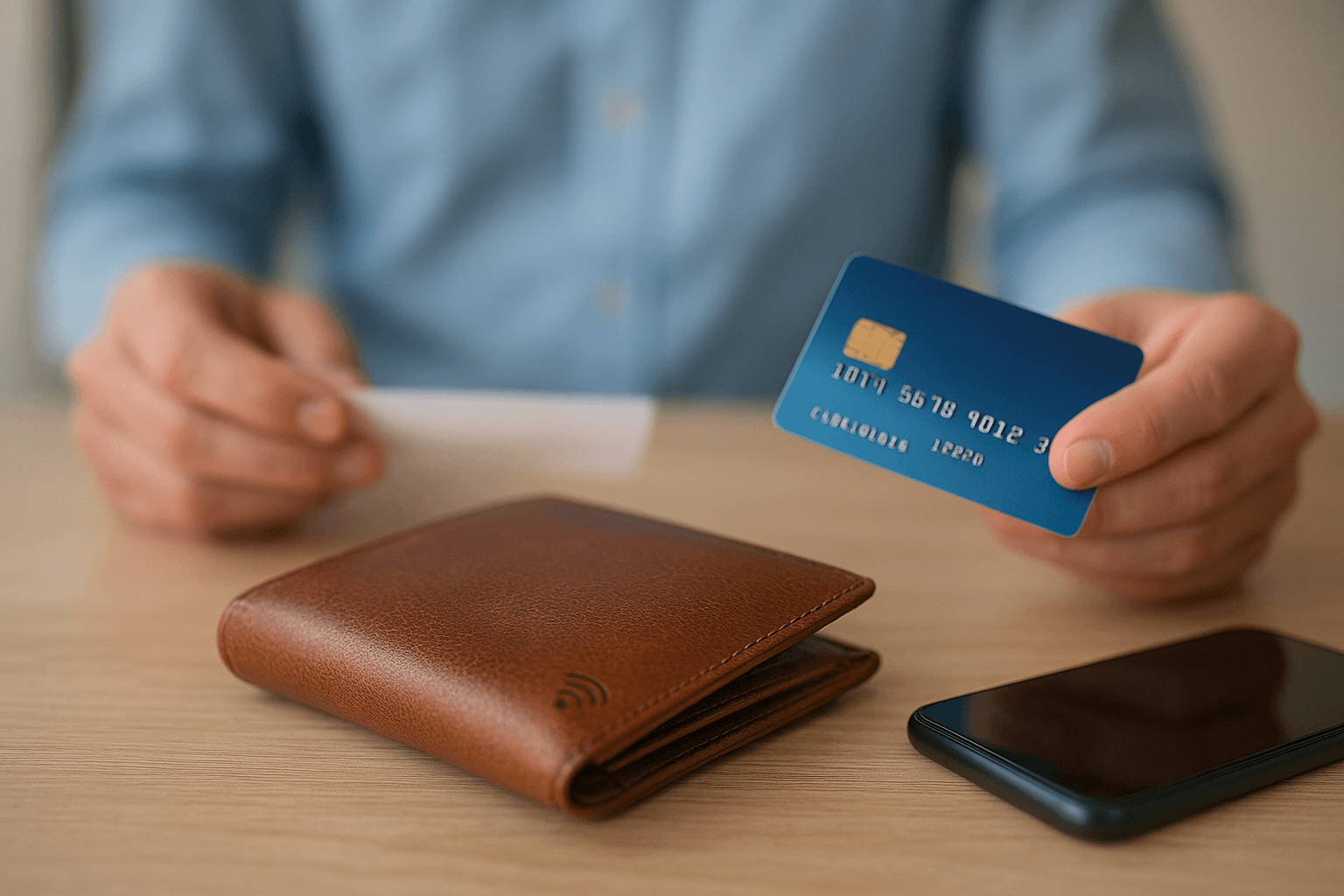
Identity theft rarely starts with a dramatic break-in. More often, it begins with something ordinary: a lost wallet, a reused password, a convincing text message, or a card number skimmed at a gas pump. The good news is that small, consistent habits can close many of these openings.
The goal is not to eliminate every risk, which is not realistic. It is to make a person's information harder to use, easier to monitor, and quicker to shut down if something goes wrong.
A useful way to think about protection is in layers. Physical items like cards and IDs come first, followed by digital accounts, and finally the credit file that ties everything together.
Start With What Is in the Wallet
Most wallets carry more than they need to. Every extra card or document is one more thing to cancel and replace if the wallet disappears.
- Carry only the cards used regularly, often one or two payment cards and a driver's license or ID.
- Leave the Social Security card, passport, and spare checks at home in a secure place.
- Photograph the front and back of each card and store the images in an encrypted password manager or secure note, so card issuer phone numbers are easy to find.
- Remove old receipts, membership cards, and anything printed with full account numbers.
A quick monthly clean-out takes only a few minutes and keeps the contents current.
Where RFID-Blocking Wallets Fit In
Many newer credit and debit cards contain chips that communicate wirelessly over short distances. RFID-blocking wallets and sleeves are lined with materials meant to stop unauthorized readers from picking up that signal.
According to consumer guidance from sources such as the Federal Trade Commission and security researchers, real-world cases of contactless card skimming appear to be uncommon. Card issuers also generally use encryption and one-time transaction codes that limit what a thief could do with intercepted data.
That said, an RFID-blocking wallet is typically inexpensive and can add a small layer of peace of mind. Readers who choose one should treat it as a supplement, not a substitute, for the habits below. Lost or stolen wallets and online fraud are far more common problems than wireless skimming.
Build Everyday Habits That Matter More
Several low-effort routines tend to deliver the most protection.
- Turn on transaction alerts. Most banks and card issuers can send a text or push notification for every purchase or for purchases above a set amount.
- Review statements regularly. Checking accounts weekly, or at least monthly, helps catch unfamiliar charges early.
- Use mobile wallets when possible. Apple Pay, Google Wallet, and similar services typically substitute a token for the real card number, which limits exposure at checkout.
- Inspect card readers. Loose, bulky, or mismatched card slots at gas pumps and ATMs can signal a skimmer. Choosing indoor ATMs and pumps near the attendant may lower risk.
- Shred sensitive mail. Pre-approved credit offers, bank statements, and medical bills contain details thieves can use.
Lock Down Digital Accounts
Stolen identities often come from data breaches and phishing rather than stolen wallets. Strong account security helps limit the damage.
- Use a unique password for every important account, ideally managed with a reputable password manager.
- Enable multi-factor authentication, preferring an authenticator app or security key over text messages when offered.
- Be skeptical of unexpected calls, emails, or texts asking for codes, passwords, or payment. Banks generally will not ask for a full password or a one-time code.
- Keep phones, browsers, and apps updated so security patches install promptly.
- Avoid logging into financial accounts on public Wi-Fi without a trusted connection.
Freeze Credit and Monitor the File
A credit freeze is one of the strongest tools available. It restricts access to a credit report so new accounts are difficult to open in a person's name. Federal law lets consumers place and lift freezes for free at each of the three major bureaus: Equifax, Experian, and TransUnion.
Consumers can also request free credit reports through AnnualCreditReport.com, the official site authorized by federal law. Reviewing them for accounts or inquiries that look unfamiliar is a sensible habit. Some people also add a fraud alert or use a credit monitoring service, though a freeze usually offers more direct protection.
What to Do If a Wallet Is Lost or Stolen
Speed matters. A simple response plan helps avoid scrambling in the moment.
- Call each card issuer to freeze or replace the cards.
- Report a missing driver's license to the state motor vehicle agency.
- Place a fraud alert or credit freeze with the credit bureaus.
- File a report at IdentityTheft.gov if personal information was exposed or misused.
- Change passwords for any accounts tied to the lost items, especially if a phone was taken too.
Keeping a list of issuer phone numbers somewhere other than the wallet makes step one much faster.